The Rise of Mobile LED Billboards: Changing Advertising on the Move
In the chaotic pulse of the advertising industry, mobile LED billboards are shining a new light. These digital displays are on the move, literally, transforming traditional advertising methods by bringing ads to life. You can’t ignore a billboard that follows you to work, the gym, and even your favorite coffee shop. This level of direct engagement is why marketers are turning to mobile LED technology for their campaigns. It’s a fresh tool shaping how brands connect with audiences, offering flexibility and a high recall rate that traditional static ads can’t compete with. By integrating these mobile marvels into your marketing strategy, you’re not just keeping up—you’re leading. Curious about how these digital powerhouses can elevate your brand? Let’s get into it.
Understanding Mobile LED Billboards
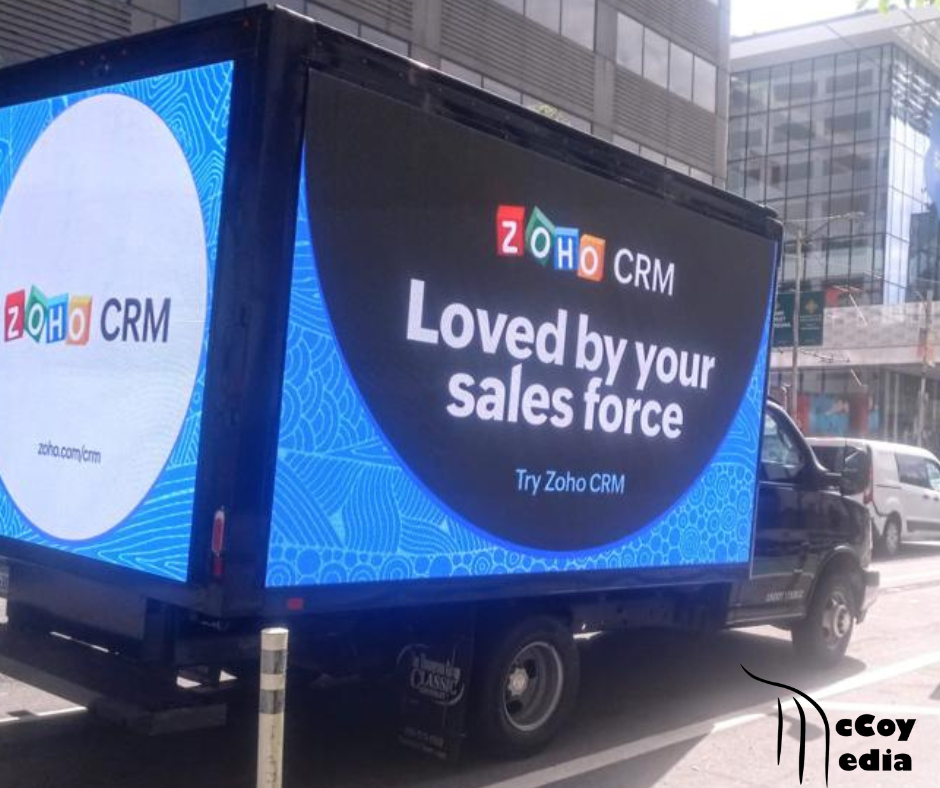
If you’ve ever been stuck in traffic and noticed a truck rolling past with vibrant, eye-catching ads lighting up its sides, you’ve encountered a mobile LED billboard. This modern form of advertising combines mobility with technology, offering a dynamic way to reach audiences on the move. Let’s explore what makes these billboards so unique and how they operate.
Definition of Mobile LED Billboards
Mobile LED billboards are an innovative advertising medium that uses LED screens affixed to vehicles to display promotional content. Unlike traditional static billboards, these mobile versions are equipped with LED technology that allows for bright, colorful, and flexible content display. The screens are usually mounted on trucks or trailers, enabling them to travel across city streets, highways, and events, capturing the attention of people wherever they go.
Some key characteristics include:
- Dynamic Content: These billboards can show videos, animations, or change images at set intervals, making them far more engaging than static ads.
- High Visibility: Thanks to their bright LEDs, the ads are visible day and night, standing out even in crowded urban environments.
- Targeted Reach: They can be strategically driven through areas that align with the target audience, maximizing the impact.
Want to learn more about the intricacies of LED billboards? Check out this comprehensive overview of digital and mobile billboards.
Mobile LED Billboard Trucks
Mobile LED billboard trucks are like moving canvases, ready to take your ad wherever the road leads. These trucks are equipped with large LED screens that can display ads while on the move. This form of advertising thrives on flexibility and mobility, offering benefits that static billboards can’t match. Imagine a concert or sports event, where these trucks can park close to entrances, ensuring that hundreds see the message.
Here’s why businesses are turning to these moving billboards:
- Adaptability: Unlike fixed locations, the truck’s route can be changed based on where the audience is, such as near a mall during shopping hours.
- Cost-Effective: It often offers a lower price point compared to renting several traditional billboards across a city.
- Measurable Impact: With GPS and tracking technology, advertisers can analyze the routes and effectiveness, refining strategies as needed.
To explore more on how these trucks operate and their benefits, take a peek at LED truck advertising solutions.
If you see one of these bright mobile ads cruising through your neighborhood, you’re witnessing a part of the evolving face of advertising. By bringing messages directly to the people, mobile LED billboards represent a powerful communication tool in the marketing landscape.
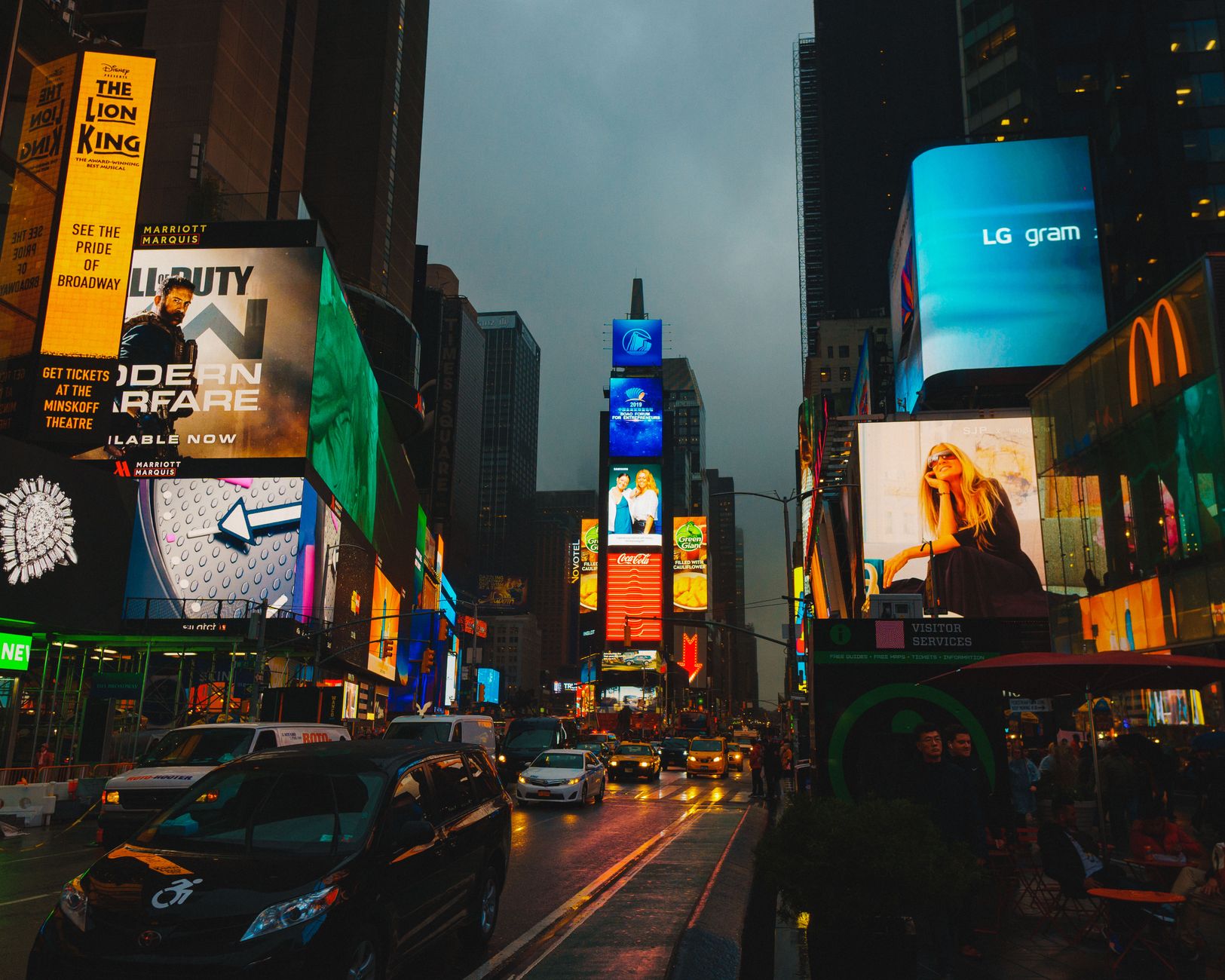 Photo by David Vincent Villavicencio
The Evolution of Outdoor Advertising
Traditional outdoor advertising has been a staple for businesses looking to grab people’s attention outside their homes. Think of it as the trusty old bicycle before the advent of motorbikes. With methods like billboards, posters, and signage, businesses could reach a broad audience effectively.
- Billboards have been around since the 1830s and became hugely popular in the 1860s. These large boards placed in high-traffic areas were, and still are, an excellent way to make information visible to many. Visit more about its historical significance here.
- Posters emerged as a major outdoor advertising tool in the late 1700s. By using lithography, companies could mass-produce illustrated posters that conveyed messages vividly. More can be found on the early use of posters here.
- Signage includes everything from shop signs to street banners. These concise, often eye-catching visuals draw attention to a business or sale, operating similarly to a beacon guiding you home on a dark, foggy night.
Each of these methods served a different purpose but shared the common goal of capturing eyeballs on the go, ensuring brands were always within the audience’s peripheral view.
Shift Towards Digital Solutions
With the dawn of the digital age, outdoor advertising took a futuristic leap. Static turned into dynamic, and simple visuals transformed into interactive displays. Have you ever wondered how technology has reshaped advertising?
- Digital Billboards: Unlike their static counterparts, digital billboards can display multiple ads in a loop and can be customized in real-time. They can be compared to flipping the pages in a magazine, but with eye-catching animation.
- Interactive Displays: These are like the chameleons of advertising. By using cutting-edge technology, they adapt to engage with viewers, sometimes even responding to touch or movement.
- Advancements in Technology: QR codes, NFC tags, and augmented reality have embedded themselves into outdoor campaigns, creating a bridge between traditional advertising and the interactive world of digital marketing.
The shift towards digital solutions has not only modernized outdoor advertising but has also drastically increased its effectiveness, making it more engaging and compelling to the tech-savvy audience. The change is akin to upgrading from a hand-drawn sketch to a full-length animated film—immersive, vibrant, and truly captivating.
Understanding the evolution of outdoor advertising is essential, not just for marketing professionals but for anyone curious about how the landscape of advertising has transformed over the years. This knowledge isn’t just about billboards and posters; it’s about seeing how an industry embraces change to captivate an ever-evolving audience.
Benefits of Mobile LED Billboards
In today’s fast-paced advertising landscape, businesses seek innovative ways to grab attention and stay ahead of the competition. Mobile LED billboards are turning heads as they cruise through busy streets, providing a fresh approach to reaching audiences. Let’s explore the compelling benefits that make mobile LED billboards a smart choice for advertisers.
High Visibility and Engagement
Think of a moving billboard as a beacon of light that dances through traffic, pulling eyes towards it like a moth to a flame. Mobile LED billboards offer high visibility by constantly bringing dynamic content directly to where people are. Unlike static billboards that just sit in one place, these mobile wonders travel through high-traffic areas and populated events, engaging audiences on-the-go.
Dynamic content adds another layer of attraction. Eye-catching animations and changing visuals hold the viewer’s attention longer than traditional static images ever could. Whether it’s a bustling city street or a lively concert, mobile LED billboards ensure your message is seen and remembered. According to a study on digital mobile billboards, they have a recall rate as high as 97%, proving their power in making a lasting impression.
Targeted Marketing
Imagine having the ability to take your message directly to your intended audience, just like choosing the right dish for a sophisticated palate. Mobile LED billboards allow advertisers to reach specific demographics with pinpoint precision. You can strategically select routes and locations based on where your target customers live, work, and play.
This concept of location-based advertising means no more guessing where your ad dollars are going. Mobile billboards bring your brand to life in the neighborhoods and events where it will resonate the most. For example, a fitness brand can circle areas near gyms or marathons, reaching health enthusiasts effectively.
Cost-Effectiveness
When comparing the price tag of mobile LED billboards to traditional static options, the numbers speak for themselves. Static billboards require long-term commitments and high upfront costs, often catering to a broad audience without specificity. On the other hand, mobile billboards offer flexibility in campaign duration and location, allowing for adjustments based on performance and budget.
Mobile LED billboards can deliver a better return on investment (ROI) by reaching more defined audiences and increasing engagement rates. They’re like a savvy shopper finding the best deal without compromising on quality. Insights from Billups illustrate that mobile billboards not only drive awareness but also stretch your advertising dollar further by maximizing impact with minimal waste.
Challenges in Mobile LED Billboard Advertising
Mobile LED billboards are an exciting way to grab attention on the move. They’re flashy, bright, and can change messages instantly. However, just like any advertising tool, they come with their fair share of challenges. Here’s a look at what advertisers need to consider.
Regulatory and Legal Considerations
Using mobile LED billboards might seem straightforward, but legal and regulatory hurdles can make it a tricky venture. Each city or region may have specific zoning laws and advertising regulations. These rules are in place to ensure that mobile billboards don’t become a distraction or a nuisance.
- Zoning Laws: Many areas have specific zones where advertising is permitted. Crossing those lines can lead to penalties or fines. For example, the Highway Beautification Act is a well-known law that governs where billboards can be placed to maintain scenic roadways.
- Local Regulations: Rules can differ vastly. In places like Los Angeles, parking a mobile billboard in certain areas may be illegal. Local governments often have ordinances that must be followed to avoid disruptions and maintain safety.
Understanding these laws is key to maneuvering through the regulatory maze and ensuring that campaigns stay compliant.
Technical Issues and Maintenance
While the visuals of mobile LED billboards are appealing, the technology behind them requires consistent care and attention. Like an old car that needs frequent tune-ups, these billboards have their set of challenges.
- Common Technical Problems: From blank screens to flickering lights, technical issues can pop up without warning. This can turn your bright ideas into dark problems. Resources like LED Signs 101 provide guidance on troubleshooting common issues.
- Regular Maintenance: To keep the lights shining bright, regular upkeep is essential. Regular cleaning and checking for electrical faults can prevent major breakdowns. Experts recommend using soft cloths to clean the screens and avoiding harsh chemicals that could damage the LEDs.
The exciting world of mobile LED billboard advertising is full of possibilities. But like any road, it can have its bumps. Understanding and preparing for these challenges is essential for a smooth and successful journey.
Case Studies and Success Stories
Advertising with mobile LED billboards is turning heads and driving results. Businesses are jumping on board to take advantage of these eye-catching displays. They are not just flashy; they also offer measurable results. But how exactly are they being used, and what benefits are they bringing to companies?
Examples of Companies Using Mobile LED Billboards
Some companies have mastered the art of using mobile LED billboards, and their stories are worth sharing. Here are a few shining examples:
- Coca-Cola: During a summer campaign, Coca-Cola used mobile LED billboards to promote its refreshing beverages in busy urban areas. The mobile ads reached thousands daily, boosting summer sales significantly.
- McDonald’s: When McDonald’s launched a new burger, they utilized mobile LED billboards to target specific lunchtime and dinnertime crowds. The strategy resulted in a noticeable increase in foot traffic to their restaurants.
- Netflix: To promote a new show, Netflix hit the streets with creative mobile LED ads that captivated the audience. The campaign increased viewership and got people talking on social media.
- Lane Bryant: For the launching of their flagship store in Manhattan, Lane Bryant employed digital billboards. This innovative approach caught the eye of local fashion enthusiasts and brought a surge of shoppers on opening day.
These companies found new ways to reach their audiences, turning the streets into a dynamic advertising space.
Impact on Brand Awareness and Sales
The influence of mobile LED billboards goes well beyond just catching eyes; they actually move the needle on brand awareness and sales:
- Enhanced Brand Visibility: Mobile ads don’t just sit on a corner; they move around, reaching different eyes throughout the day. This increased exposure builds brand recognition more effectively than static ads. According to research, people remember mobile billboard messages more since they often appear in unexpected places.
- Boosted Sales Metrics: When brand visibility increases, sales often follow. Companies that use mobile LED billboards regularly report upticks in sales. McDonald’s saw a rise in sales after mapping routes that strategically aligned with peak dining times and customer hotspots.
- Creative Engagement: These billboards offer more than traditional advertising. They engage audiences in real-time, sometimes even interacting with mobile apps or social media. This engagement turns viewers into customers.
Incorporating mobile LED billboards into a marketing strategy is proving to be a powerful way to amplify brand impact and connect with consumers, making it an excellent option for advertisers looking to stand out in a crowded advertising arena.
Future of Mobile LED Billboards
Mobile LED billboards are reshaping the way we think about advertising in the digital age. Imagine driving down a highway and being greeted by a vibrant, multimedia advertisement that’s tailored just for you. This is not just a dream—it’s a reality that’s gaining traction. Let’s look into what the future might hold for this exciting medium and how it fits into broader marketing strategies.
Predictions and Potential Developments
The future of mobile LED billboards looks bright, pun intended! These moving marvels are not just billboards but interactive digital screens on wheels. With technology evolving at a rapid pace, here are some predictions for the future:
- Increased Interactivity: Expect more interactive elements, allowing consumers to engage directly with the advertisement through their smartphones.
- Enhanced Targeting: Using GPS and advanced algorithms, ads can target specific demographics, reaching the right audience at the right time.
- Eco-friendly Options: As sustainability becomes a priority, energy-efficient LED technologies are being developed to reduce the ecological footprint of these billboards.
- Flexible Display Options: Innovations in display technology mean ads can be changed remotely in real-time. Companies like Nomadic Genius are already embracing these advances, providing dynamic, data-driven advertising.
While some might think of them as novelty items, these developments show they’re far from a mere flash in the pan. The adoption rate is on the climb as businesses across industries are realizing their potential.
Role in a Multi-Channel Marketing Strategy
Integrating mobile LED billboards into a multi-channel strategy can create harmony between various advertising platforms. Here’s how they can play a vital role:
- Bridging Offline and Online: Mobile billboards can act as a physical touchpoint that guides users to online platforms, creating a seamless experience that builds brand loyalty.
- Amplifying Campaigns: Imagine running a social media campaign, and supporting it with a mobile LED billboard. This combination can increase reach and engagement.
- Localized Impact: For local businesses or events, these billboards can target specific regions or communities, making them an invaluable tool for local marketing efforts.
By weaving mobile LED billboards into your overall strategy, they become more than just moving advertisements—they become a dynamic part of your brand’s journey.
Frequently Asked Questions: Mobile LED Billboards
Mobile LED billboards are becoming a popular choice for businesses looking to increase visibility and engage their audience in innovative ways. Let’s address some of the most common questions about mobile LED billboards.
What differentiates mobile LED billboards from traditional ones?
Mobile LED billboards stand apart from traditional billboards in several ways. The key difference lies in mobility. While traditional billboards remain fixed in one location, mobile LED billboards can travel to different areas, targeting multiple locations in a single day. This flexibility allows advertisers to reach a wider audience. Also, the vibrant, dynamic displays of LED screens grab attention more effectively than static images.
How effective are mobile LED billboards in driving customer engagement?
Mobile LED billboards are incredibly effective in driving customer engagement, thanks to their dynamic content capabilities. Unlike static billboards, these can display animations, videos, and changing messages that capture attention. They can also be driven to locations with high foot traffic at peak times, maximizing exposure and engagement.
Are there any legal restrictions on using mobile LED billboards?
Yes, there are legal restrictions on using mobile LED billboards that vary by location. Some cities have specific regulations regarding their use to ensure they do not create distractions that could lead to accidents. It’s vital for businesses to familiarize themselves with local laws to remain compliant.
What industries benefit the most from mobile LED billboards?
Some industries thrive with the use of mobile LED billboards. Retail, entertainment, and hospitality industries find them particularly effective because these sectors often need to capture the attention of a broad audience. Also, companies that frequently host events can greatly benefit from this form of advertising.
How do businesses measure the success of mobile LED advertising campaigns?
Measuring the success of mobile LED advertising can be done through several methods:
- Impression metrics: Tracking how many people have likely seen the billboard.
- Engagement tracking: Using QR codes or promotional tracking to see how many people interacted with the ad.
- Conversion metrics: Analyzing how these interactions translate into sales or conversions.
Mobile LED billboards are driving a new era in advertising, with their unique ability to target audiences effectively and create memorable experiences. Businesses must consider integrating these dynamic displays into their marketing strategies to capitalize on the evolving landscape.